World Conjoined Twins Day: Promoting Awareness, Inclusion, and Compassion
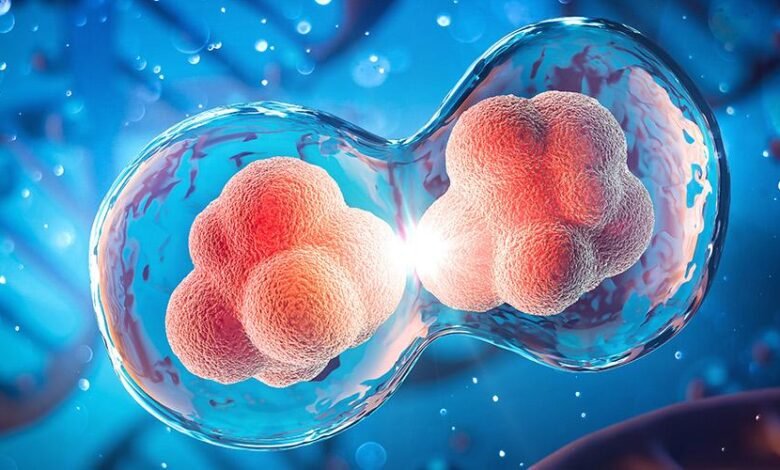
Every year on November 24, the United Nations marks World Conjoined Twins Day, a global observance that promotes the welfare, rights, and inclusion of one of the rarest forms of identical twins, occurring in just 1 in 50,000–200,000 births. Conjoined twins, historically called “Siamese twins” after Chang and Eng Bunker of 19th-century Siam (modern-day Thailand), share a physical bond from birth that shapes every part of their lives.
This day highlights an experience that is both extraordinary and deeply human. Conjoined twins share more than anatomy; they share trust, resilience, and a unique connection that few can truly understand. Their journeys reflect courage and partnership, whether they remain joined or face the difficult path of separation surgery.
Supported by dedicated medical teams and families, their stories remind the world to focus not on difference, but on unity, strength, and dignity. World Conjoined Twins Day opens our hearts, calling us to value every human bond and to learn from the compassion and cooperation these children embody in homes, hospitals, and communities everywhere.
History of World Conjoined Twins Day
World Conjoined Twins Day was created in 2020 through the efforts of the International Conjoined Twins Community, a network of families, caregivers, and advocates committed to raising awareness and promoting understanding.
Many people know very little about conjoined twins, and misconceptions often overshadow their lived experiences. This observance encourages listening before judging, learning before assuming, and supporting instead of misunderstanding.
The date was chosen to give visibility to their experiences on a global scale. Since its creation, the event has grown significantly. More hospitals, schools, organizations, and media outlets acknowledge the day each year. Community members share personal stories to give voice to individuals who are often overlooked.
Every life deserves respect, and visibility helps create acceptance and inclusion. The goal is not sympathy, but dignity, unity, and understanding.
Why World Conjoined Twins Day Matters
There are several powerful reasons why this day is globally significant:
1. Bringing a Medical Rarity to Life
It encourages the world to view conjoined twins as individuals with personalities, dreams, talents, and identities, not just their medical condition.
2. Raising Global Awareness
Many people are unaware of the specific challenges conjoined twins face. This day helps dispel myths and replace them with a compassionate, accurate understanding.
3. Supporting Advances in Medicine
It promotes continued progress in neonatal care, surgical innovation, long-term health support, and research.
4. Empowering Families
Families find strength through shared stories of resilience, medical triumph, and community support.
5. Encouraging Social Inclusion
The day champions respectful media representation and social acceptance, reducing stigma and discrimination.
Purposes of Celebrating World Conjoined Twins Day
World Conjoined Twins Day aims to:
- Honor the strength and resilience of conjoined twins globally.
- Recognize the medical advances that help many lead full, happy lives.
- Raise awareness of their social, emotional, and physical challenges.
- Build supportive networks for families and caregivers.
- Educate the public to eliminate stigma, bias, and insensitive misconceptions.
- Promote global compassion, empathy, and understanding.
Celebrating this day ensures that conjoined twins everywhere feel seen, respected, and valued.
How People Celebrate World Conjoined Twins Day
Communities and countries observe the day through a variety of meaningful activities:
1. Seminars and Awareness Events
Hospitals, research centers, and universities host discussions on surgical approaches, medical ethics, and neonatal care.
2. Story-Sharing Campaigns
Families share photos, testimonies, and personal experiences to increase understanding and visibility.
3. Support Group Gatherings
Online and in-person meetups provide families with comfort, community, and connection.
4. Public Exhibits and Talks
Healthcare centers and museums offer displays on the history of conjoined twins and modern medical advancements.
5. Fundraisers and Charity Drives
Organizations raise funds for surgeries, family assistance programs, and research initiatives.
6. School Awareness Programs
Students learn about empathy, diversity, and acceptance, helping build inclusive environments.
7. Media Outreach
TV networks, newspapers, and digital platforms spotlight real stories to educate the public.
Conclusion
World Conjoined Twins Day reminds us of our shared humanity and the importance of caring for one another with compassion and unity. By understanding the lives, challenges, and needs of conjoined twins, we help build a world where they can thrive with dignity and joy.
Through awareness, education, and empathy, we can support medical progress and enhance the quality of life for conjoined twins everywhere. Let this day inspire us to value every life, celebrate differences, and uplift those whose stories have too often gone unheard.