Maternal Health Awareness Day: Celebrating Mothers, Protecting Children, and Securing Healthier Futures
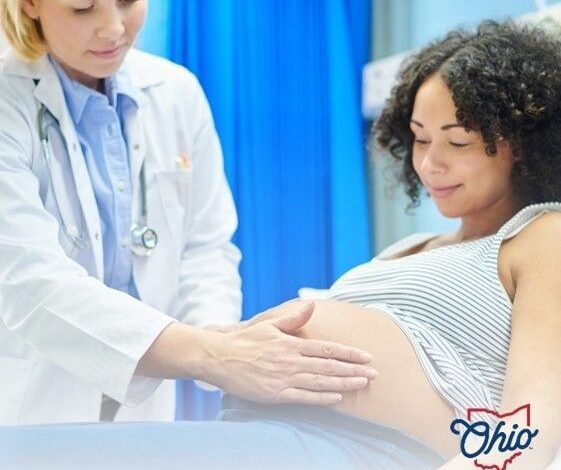
Today, on Maternal Health Awareness Day, the world pauses to recognise the strength, resilience, and vital role of mothers — and the children whose lives begin with their care. From pregnancy through childbirth and beyond, mothers are the foundation of healthy families, strong communities, and thriving societies. When mothers are supported, children are given the best possible start in life.
Every child’s journey begins with a mother’s wellbeing. A safe pregnancy, a healthy delivery, and nurturing care in the early years shape a child’s survival, growth, and development. Across cultures and communities, mothers continue to protect, nurture, and guide children, often in the face of immense challenges. Their care is not only an act of love — it is the cornerstone of childhood itself.
Why Maternal Health Matters for Children
The health of mothers and the wellbeing of children are deeply connected. A healthy mother supports healthy brain development before birth, safe delivery at birth, and emotional security after birth. When mothers receive quality healthcare, children are more likely to survive infancy, avoid preventable illness, and reach developmental milestones.
Maternal health is therefore inseparable from children’s rights to life, safety, and development. From adequate nutrition during pregnancy to postnatal care and emotional support, every stage of maternal health plays a role in protecting children during their most vulnerable years.
Where the Gaps Still Exist
Despite progress in many parts of the world, too many mothers and children remain at risk due to gaps in healthcare access, social protection, and support systems. Preventable complications during pregnancy and childbirth continue to threaten lives. In many communities, mothers give birth without skilled medical care or lack follow-up support in the critical weeks after delivery.
Maternal mental health is also often overlooked. Conditions such as postpartum depression can affect a mother’s wellbeing and, in turn, a child’s emotional and developmental outcomes. Without timely support, both mother and child can face long-term consequences that extend well beyond infancy.
Protecting Mothers to Protect Children
Maternal Health Awareness Day is a reminder that protecting mothers is one of the most effective ways to protect children. Policies and practices that prioritise maternal health lead to stronger families and healthier societies. This includes:
-
Access to quality prenatal, childbirth, and postnatal healthcare
-
Skilled health workers and safe delivery environments
-
Mental health screening and support for mothers
-
Nutrition and breastfeeding support
-
Paid maternity leave and workplace protections
-
Community education that empowers families
These measures are not optional — they are essential investments in children’s survival and development.
A Shared Responsibility for the Future
Celebrating mothers must be matched with action. Governments, healthcare systems, communities, and families all share responsibility for ensuring that mothers are protected and supported at every stage of motherhood. When maternal health is prioritised, children are safer, healthier, and better equipped to learn, grow, and thrive.
On Maternal Health Awareness Day, the message is clear: honouring mothers means safeguarding children. When mothers are healthy, children survive. When mothers are supported, children thrive. And when maternal health is treated as a priority, societies build a stronger, more compassionate future for all.