“Every Child Deserves to See”: Gov. Mike DeWine Launches Free Statewide Vision Program for Thousands of Ohio Students
When a child cannot see clearly, the consequences stretch far beyond blurry words on a board. They can affect confidence, behaviour, academic progress and even long-term life outcomes. That is the child protection lens through which Ohio’s new statewide vision initiative must be viewed.
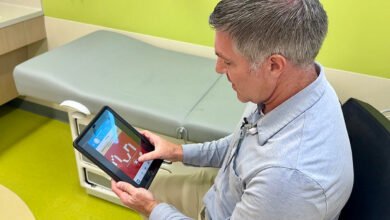
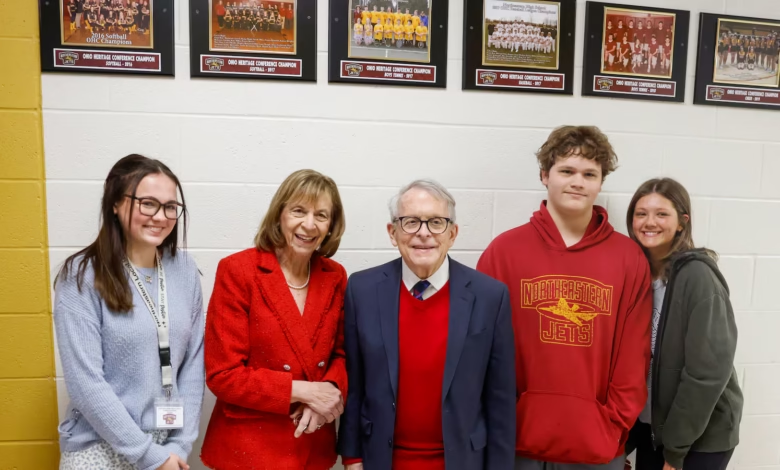
This week, Mike DeWine announced the launch of OhioSEE, a free children’s eyesight program piloting in 15 high-need counties, including Montgomery, Butler and Clark. The program delivers comprehensive eye exams and glasses directly to kindergarten through third grade students at school, at no cost to families.
At first glance, it is a health initiative. In reality, it is a child rights intervention.
The Right to See Is the Right to Learn
Under child development principles, every child has the right to education and the highest attainable standard of health. Vision sits at the intersection of both.
State officials found that although schools conduct vision screenings, only about one-third of children identified as needing follow-up exams actually receive them. That means two-thirds go without further care, and without glasses if needed.
The implications are serious.
Research shows that up to 80 percent of early learning is visual. A child who cannot see the board, read a book clearly or track words on a page may be mislabeled as inattentive, slow or disruptive. In reality, the child may simply be struggling to see.
From a protection standpoint, unmet vision needs can lead to:
-
Academic underperformance
-
Reduced self-esteem
-
Behavioral challenges
-
Social withdrawal
-
Increased risk of falling behind permanently
By bringing exams and glasses directly to schools through a mobile clinic model, the state is removing barriers that often prevent families from accessing care, including cost, transportation and scheduling conflicts.
Best Interest of the Child in Action
The “best interest of the child” principle requires that policies prioritize a child’s overall well-being, not just institutional convenience.
OhioSEE does that in several ways:
-
Eliminates financial barriers. Parents pay nothing for exams or glasses.
-
Reduces access gaps. Services come to the child rather than expecting families to navigate complex healthcare systems.
-
Promotes early intervention. Identifying vision issues in kindergarten through third grade prevents long-term academic setbacks.
-
Protects dignity. Children can choose their glasses and receive them discreetly, reducing stigma.
For families in high-need counties where more than 80 percent of children flagged in screenings do not receive follow-up care, this program is not optional support. It is essential protection.
Beyond Glasses: A Holistic Safeguarding Approach
Superintendent Jack Fisher’s remarks about educating the “whole student” reflect a broader child protection philosophy. Schools that address food insecurity, mental health and physical health are strengthening protective factors around children.
Vision care fits into that safety net.
A child who sees clearly is more likely to:
-
Engage confidently in class
-
Participate socially
-
Develop reading skills at the appropriate pace
-
Avoid frustration that can escalate into disciplinary issues
Unchecked vision problems can contribute to emotional distress. A child who repeatedly struggles may internalize failure. Over time, this can affect mental health.
From a safeguarding perspective, early detection prevents invisible harm.
Preventing Long-Term Inequality
Children in low-income communities are disproportionately affected by untreated vision problems. When care depends on a parent’s ability to schedule appointments, afford co-pays or take time off work, inequality widens.
By embedding services within schools, the program shifts responsibility from families alone to the state.
That shift is critical.
It recognizes that children’s rights should not depend on geography or income. A child in Clark County deserves the same opportunity to see and succeed as a child anywhere else.
Child Protection Is Preventive
Too often, child protection is viewed as reactive. It responds after harm occurs. But true safeguarding prevents harm before it escalates.
Providing glasses may seem simple. Yet the ripple effect is profound:
-
Stronger literacy foundations
-
Better classroom engagement
-
Improved emotional regulation
-
Reduced dropout risk
-
Greater long-term economic stability
When children can see clearly, they are better positioned to exercise their right to education fully.
A Model for Expanding Protection
With 59 school districts already enrolled and more in the process, the initiative signals a move toward systemic prevention rather than patchwork solutions.
The larger message is this: child protection is not limited to preventing abuse. It includes ensuring children’s basic developmental needs are met so they can thrive safely and confidently.
Vision care is not a luxury. It is foundational.
If a child cannot see, that child cannot fully learn. And if a child cannot fully learn, the promise of equal opportunity begins to fade.
Through the addressing of these vision gaps head-on, Ohio is doing more than handing out glasses. It is strengthening the protective environment around its youngest learners and advancing the best interest of the child in practical, measurable ways.