World Day of Social Justice 2026: Global Leaders Renew Pledge to Protect Children and End Inequality
As widening inequality and child poverty threaten millions worldwide, the United Nations is marking World Day of Social Justice 2026 with a renewed call to protect the most vulnerable.
This year’s observance puts safeguarding children and securing their futures at the heart of global social development efforts.
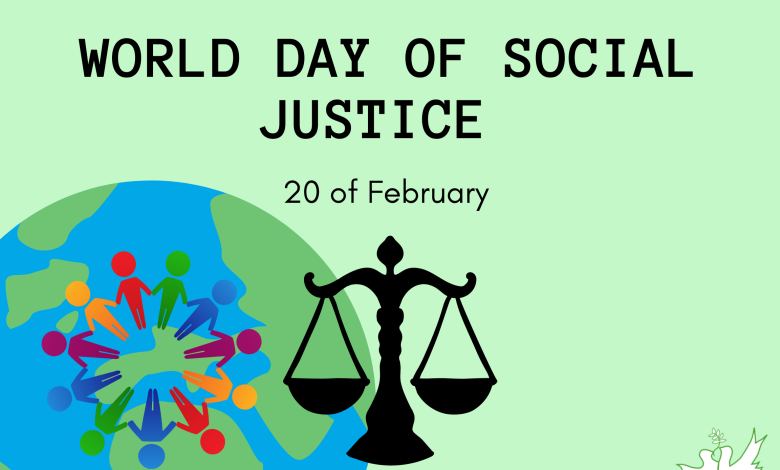
On 20 February 2026, the global community gathers to mark World Day of Social Justice with a renewed sense of urgency and purpose. Under the theme “Renewed Commitment to Social Development and Social Justice,” this year’s observance highlights a simple but powerful truth: protecting children is central to building fair, peaceful and inclusive societies.
Convened at the International Labour Organization’s UN office in New York, the event brings together diplomats, policymakers and development leaders to reflect on progress and confront persistent gaps. The meeting is organized by the Permanent Mission of the Kyrgyz Republic to the United Nations, in collaboration with the International Labour Organization and the United Nations Department of Economic and Social Affairs.
The day comes on the heels of the Second World Summit for Social Development in Doha and the adoption of the Doha Political Declaration, which reaffirmed global commitments to eradicate poverty, expand decent work and strengthen social protection systems. At its core, the agenda recognizes that children are disproportionately affected by inequality, conflict and economic instability.
Across the world, millions of children face barriers to education, healthcare and basic social services. In many communities, families struggle with rising living costs, unemployment and limited access to safety nets. When social systems fail, children bear the consequences first and most deeply.
World Day of Social Justice serves as a reminder that safeguarding children begins with strong social foundations. Quality education, child-sensitive social protection, access to nutritious food, safe housing and protection from exploitation are not optional extras. They are fundamental rights.
Speakers at the commemorative meeting are expected to examine progress since the landmark 1995 Copenhagen Summit, which first set a global framework for social development. Three decades later, leaders acknowledge both achievements and unfinished work. While poverty rates have declined in some regions, inequalities within and between countries remain stark.
Renewed multilateral cooperation is central to accelerating progress toward the Sustainable Development Goals. Child labour, youth unemployment and gaps in social protection systems remain urgent challenges. The ILO continues to champion decent work standards that help parents earn stable incomes, reducing pressures that can push children into harmful labour or unsafe environments.
This year’s theme emphasizes translating political declarations into concrete action. That means investing in schools, supporting families with income protection, expanding healthcare access and strengthening child protection systems. It also means listening to young people themselves, whose voices are increasingly shaping social policy debates.
For children, social justice is not an abstract principle. It determines whether they grow up safe, educated and hopeful, or vulnerable and excluded. Policies that reduce poverty, promote gender equality and guarantee social services create conditions where children can thrive.
World Day of Social Justice 2026 is both a celebration and a call to action. It celebrates progress made through international solidarity and shared responsibility. And it calls on governments, institutions and communities to recommit to building systems that leave no child behind.
In a world facing economic and social strain, the message is clear: social justice is not only about fairness today. It is about safeguarding the next generation and ensuring every child has the opportunity to live with dignity, security and hope.