Are Children Safe Online? DeWine’s State of the State Sparks Debate Over AI, Social Media and Parental Control
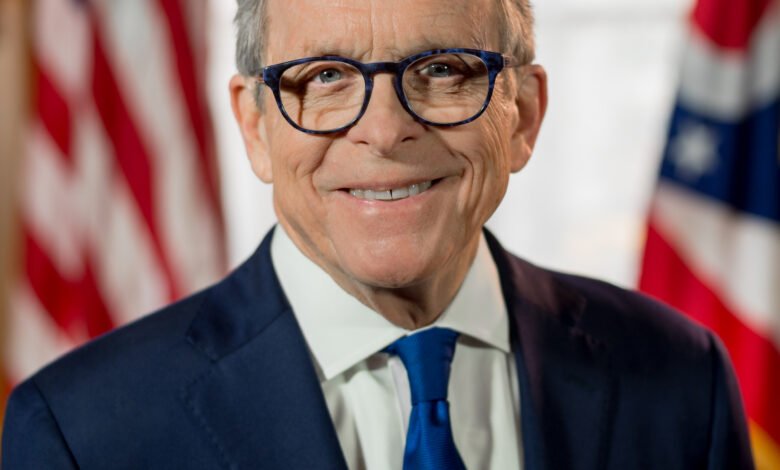
Children’s safety and wellbeing took center stage in Ohio Gov. Mike DeWine’s 2026 State of the State address, with the governor outlining policies aimed at strengthening both educational outcomes and digital protections for young people. Framing children as the state’s “future generation,” DeWine emphasized that safeguarding their development requires action in classrooms as well as in the rapidly expanding online environment.
A key focus of the speech was early childhood literacy. DeWine highlighted Ohio’s statewide adoption of the Science of Reading, an evidence-based approach now required in classrooms from preschool through high school. According to the governor’s office, the policy is already showing results. Kindergarten readiness across the state improved by 8.3% last fall, representing about 7,300 additional children entering school better prepared to learn.
To further support the program, the Ohio Department of Education and Workforce plans to deploy regional Science of Reading Instructional Implementation Teams to help schools adopt the approach effectively. The state will also add 50 more ReadOhio coaches, extending support to at least 70 additional schools.
Alongside education initiatives, DeWine called on lawmakers to strengthen child protection measures related to technology and artificial intelligence. Among the proposals are a ban on the possession, creation or distribution of AI-generated child sexual abuse material and policies that would hold technology companies accountable if their artificial intelligence tools encourage or assist harmful behavior, including self-harm.
The governor also urged legislators to require cell phone and technology companies to automatically install parental control features on devices, giving parents greater ability to monitor and manage what content their children access and how long they spend online.
Experts say such measures could help address growing concerns about children’s exposure to harmful online content. Louisa Ha, a distinguished research professor at Bowling Green State University’s School of Media and Communication, said smartphones and social media are now deeply embedded in children’s daily lives.
She noted that age restrictions on many social media platforms are often easy for children to bypass, highlighting the need for stronger verification systems.
Ha also warned that heavy social media use can affect children’s mental health and interpersonal development, as curated posts and constant connectivity can create social pressure and reduce face-to-face communication. While stronger policies may improve safeguards, experts emphasize that parents and educators remain central to protecting children online through digital literacy education, open communication and active supervision.