
Child Abuse Prevention: Building Safer Futures Before Harm Begins
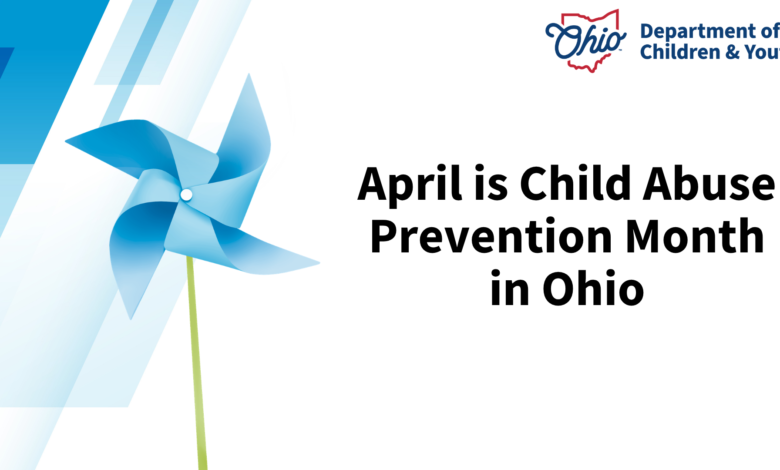
Every year, the month of April serves as a powerful reminder that protecting children is not a reactive duty, it is a proactive commitment. As highlighted by the Ohio Department of Children and Youth and the Ohio Children’s Trust Fund, Child Abuse Prevention Month is not just about awareness, it is about intentional action toward building environments where harm is less likely to occur in the first place.
The proclamation by Gov. Mike DeWine reinforces a critical truth: every child deserves to grow up in a safe, stable, and nurturing environment. However, this vision cannot be achieved through policies alone. It requires a collective shift in how families, communities, and institutions understand prevention.
Prevention Is Not an Event, It Is a Culture
One of the most important insights from this initiative is that child abuse does not happen in isolation. It often reflects gaps in support systems, unmet needs, and environments where stress outweighs support.
Prevention, therefore, is not a one-day campaign or a symbolic gesture. It is the culture we build daily through:
- Strengthening families with access to basic needs and emotional support
- Equipping parents with practical tools for healthy child development
- Creating safe community networks where families are not left to struggle alone
- Intervening early, before challenges escalate into crises
The Power of Collective Responsibility
Child protection is often misunderstood as the responsibility of governments or child welfare agencies alone. In reality, prevention thrives when it becomes everyone’s business.
Teachers, caregivers, faith leaders, neighbors, and policymakers all play a role in shaping the environments children grow up in. When communities are connected and responsive, children are less vulnerable.
“Ensure They Shine”: A Call to Nurture Potential
The “Ensure They Shine” campaign captures the heart of prevention, every child carries potential that must be protected and nurtured.
This approach shifts the narrative from protection alone to purposeful development:
- Children need safe spaces to grow
- Families need support systems to thrive
- Communities need awareness and responsibility to act
When these elements align, children are not just protected from harm, they are positioned to flourish.
Symbolism Meets Action: Wear Blue Day
Initiatives like Wear Blue Day, supported by organizations such as Prevent Child Abuse America, serve as visible reminders of a shared commitment.
Wearing blue may seem simple, but its significance lies in what it represents, unity, awareness, and a collective voice against child abuse. It creates a moment where individuals and communities visibly align with a cause that often operates quietly in the background.
However, the real impact goes beyond the color. It is found in the conversations started, the awareness raised, and the actions that follow.
Prevention in Practice: What It Really Looks Like
Across communities, effective prevention efforts often include:
- Helping families access basic needs such as food, shelter, and healthcare
- Providing parent education and support, especially for new parents
- Building trusted community connections that reduce isolation
- Offering early intervention programs that address challenges before they escalate
These are not abstract ideas, they are practical systems that reduce stress on families and increase their capacity to care for children safely.
A Timely Reflection for Every Society
While this initiative is rooted in Ohio, its message is universal and the principles remain the same:
Children are safest not when we respond quickly to harm, but when we build systems that make harm less likely to occur.
Conclusion
Child Abuse Prevention Month is not the destination, it is a checkpoint. It invites reflection, but more importantly, it demands continuity. The real question is not what we do in April, but what we sustain beyond it. Because in the end, the true measure of any society is not how it reacts to brokenness, but how intentionally it builds wholeness for its children.