Columbus Leaders Propose Safeguards to Protect Children and Families Amid Increased ICE Activity
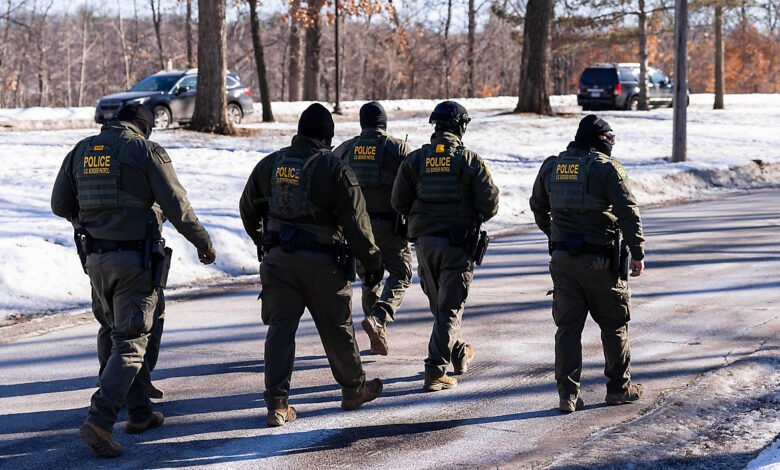
COLUMBUS, Ohio — Columbus City Council members will introduce legislation Tuesday aimed at protecting families and preserving safe public spaces as federal Immigration and Customs Enforcement activity increases in the city.
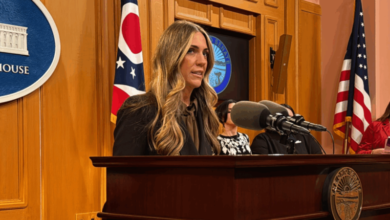
Councilmember Lourdes Barroso de Padilla, City Council President Shannon G. Hardin, and President Pro Tem Rob Dorans are co-hosting a Feb. 17 hearing to announce a legislative package they say is focused on maintaining trust, stability and access to services for residents, particularly families with children.
While the City of Columbus does not have authority over federal immigration enforcement, officials say it does have the power to regulate how city property, personnel and resources are used.
Protecting Access to Schools and Services
Councilmember Barroso de Padilla said the proposal is intended to ensure families can continue daily routines without fear disrupting essential activities.
“This legislative package reflects our commitment to ensuring that residents can go to work, take their children to school or seek help when they need it without fear,” she said in a statement.
From a safeguarding perspective, city leaders say maintaining predictable access to schools, community centers and public services is central to child well-being. When families feel secure accessing city spaces, children are more likely to attend school consistently, participate in community programs and receive needed support.
The proposed measures would reinforce the city’s position that local resources should remain focused on serving residents rather than supporting federal immigration enforcement, except when required by court order.
Maintaining Trust in Public Institutions
President Pro Tem Dorans said public safety depends on trust between residents and local institutions.
“Public safety begins with trust,” Dorans said. “We have to do everything we can to prevent chaos on our streets that would set our community back.”
City leaders argue that trust is especially important for families with children. When parents feel safe interacting with schools, police and city agencies, they are more likely to report crimes, seek emergency assistance and access social services, systems that often serve as protective structures for minors.
The legislative package is modeled after measures adopted in cities including Philadelphia, Minneapolis, Milwaukee and Baltimore.
Standards for Enforcement on City Property
The City Council will also review a proposal from the Commission on Immigrant and Refugee Affairs calling for federal immigration agents to meet the same professional, training, identification and accountability standards as the Columbus Division of Police when operating in city spaces.
Council President Hardin referenced concerns about enforcement operations in other cities and in Columbus during Operation Buckeye, saying the goal is to “keep our streets, families and residents safe.”
The emphasis, city officials say, is on clarity and accountability within public spaces that children and families rely on daily, including libraries, recreation centers and other city-owned facilities.
Building on Existing Policy
In 2017, Columbus City Council passed a law prohibiting the use of city funds, equipment or personnel for the sole purpose of detecting or apprehending individuals based solely on suspected immigration status, except in response to a court order.
The new legislative package builds on that framework.
Although the city cannot control federal immigration actions, officials say it can define how its own properties and personnel are used. By doing so, they aim to reduce confusion, reinforce clear boundaries and preserve access to public institutions that serve families.
As the Feb. 17 hearing approaches, city leaders are framing the discussion not only as a legal matter, but as one tied to stability for children and households.
For many families, they say, the issue is not abstract policy. It is whether children can continue going to school, accessing services and living in environments where trust in local institutions remains intact.