High Childcare Costs Strain Ohio Families, Workforce, and Economy

The cost of childcare in Ohio has emerged as a growing concern for parents, employers, and policymakers, as rising expenses place pressure on household budgets and limit workforce participation.
For families with two young children, including an infant and a preschool-aged child, the annual cost of full-time daycare in Ohio can reach approximately $25,000. That figure represents a significant share of household income, particularly for families near the state’s median household income of about $72,000, according to 2024 estimates from the U.S. Census Bureau.
As a result, many parents face difficult choices about whether employment remains financially viable once childcare expenses are factored in. While some households reduce work hours or leave the workforce temporarily, others have little flexibility and must absorb the cost in order to maintain employment.
Limited Public Investment
Ohio’s childcare challenges extend beyond household affordability. Policy analysts note that the state is one of a small number that does not invest state funds in childcare beyond what is required to receive federal matching dollars. Recent state budgets have prioritized other spending initiatives, including tax reductions and large-scale development projects, while proposals to significantly expand childcare access or create a refundable child tax credit were not adopted.
Publicly funded childcare in Ohio has declined over time. According to Policy Matters Ohio, the number of children receiving subsidized care fell from more than 170,000 in 2010 to about 140,000 between 2019 and 2023. Eligibility for assistance is capped at 145 percent of the federal poverty level, or $45,240 for a family of four, a threshold that leaves many working families without support.
Geography also plays a role. Nearly 40 percent of Ohio residents live in areas described as “childcare deserts,” where access to licensed providers is limited, particularly in rural communities.
Workforce and Economic Impact
High costs for families have not translated into higher wages for childcare workers. In Ohio, childcare employees earn an average of about $13.57 an hour, below the national median of $15.41, according to federal labor data. Low pay contributes to staffing shortages and provider instability, further limiting access to care.
Business groups have increasingly framed childcare as an economic issue. The Ohio Chamber of Commerce lists childcare access among its top workforce priorities, while a U.S. Chamber of Commerce analysis estimates that Ohio loses more than $5 billion annually in forgone earnings and tax revenue because parents are unable to participate fully in the labor market.
State business leaders have warned that a lack of reliable childcare is preventing skilled workers from entering or reentering the workforce, particularly among families with young children.
Funding Uncertainty Ahead
Advocacy organizations caution that access could worsen in the coming years. Ohio is expected to face a projected $600 million gap in childcare funding once temporary federal pandemic-era assistance expires, raising concerns about provider closures and reduced subsidies.
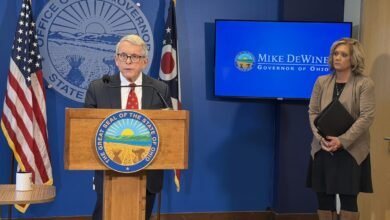
Governor Mike DeWine has proposed limited measures to address the issue, including a $1,000 child tax credit for families with young children, funded through higher tobacco taxes. The proposal did not gain legislative support. Lawmakers did approve an increase in eligibility for childcare assistance, though advocates argue the change does little to help families earning modest incomes who still face high costs.
Calls for a Statewide Strategy
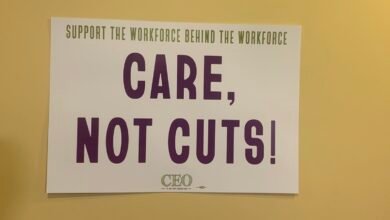
Advocates, employers, and policy researchers increasingly agree that Ohio lacks a comprehensive approach to childcare affordability and access. Demonstrations at the Statehouse in recent months have called for expanded tax credits, increased childcare funding, and protections for related public benefits.
As Ohio seeks to stabilize its workforce and address long-term population challenges, analysts say childcare policy remains a critical factor. Without broader reforms, families, businesses, and providers are likely to continue bearing the strain of a system many describe as unsustainable.