
International Day of Play: Why Play Is Essential for Children’s Mental and Social Development
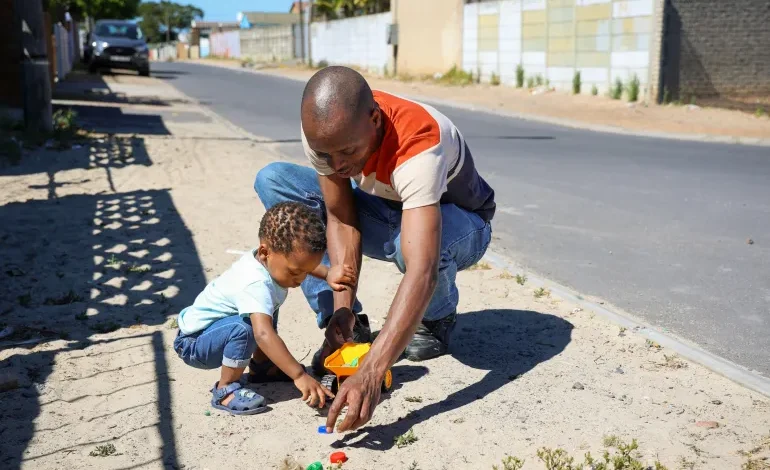
As the world marks the International Day of Play on June 11, child development experts are highlighting the critical role play plays in supporting children’s mental, emotional, and social well-being.
Recognised under Article 31 of the United Nations Convention on the Rights of the Child, play is more than recreation. It is a fundamental right that helps children develop the skills they need to grow into healthy, confident, and resilient adults.
From a mental health perspective, play provides children with a safe way to express emotions, manage stress, and build self-confidence. Through games, storytelling, imaginative activities, and creative exploration, children learn how to cope with challenges, regulate their feelings, and develop resilience. Experts say play can reduce anxiety, improve concentration, and support positive emotional development.
Play also plays a vital role in social development. When children interact with peers during play, they learn communication, cooperation, empathy, and conflict-resolution skills. These experiences help them build healthy relationships and develop a sense of belonging within their communities.
UNICEF South Africa Representative, Johannes Wedenig, noted that protecting children’s right to play is essential for building healthier and more resilient societies. Similarly, Cotlands Chief Executive Officer, Monica Stach, described play as one of the most powerful ways children learn, connect, and thrive.
However, experts warn that many children are losing access to safe play spaces due to insecurity, economic pressures, overcrowding, and changing lifestyles. This growing “play deficit” can limit opportunities for healthy development.
The International Day of Play therefore serves as a reminder that protecting time, space, and opportunities for play is not a luxury. It is an investment in children’s mental health, social well-being, and overall development.
By promoting playful parenting, learning through play, and safe community play spaces, societies can help children build the confidence, relationships, and life skills needed to thrive.