MADAMS: Exposing Kenya’s Child Sex Trade — BBC Africa Eye
Movie Review of the Week
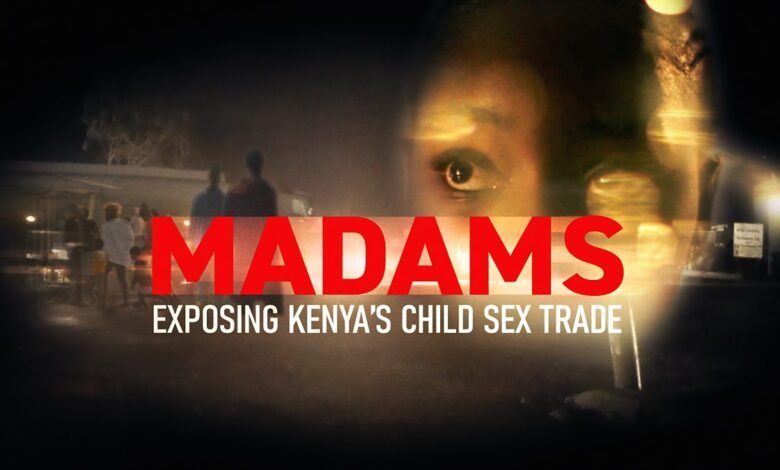
BBC Africa Eye’s MADAMS: Exposing Kenya’s Child Sex Trade was released on the 4 August 2025 and has already surpassing one million views on YouTube, this searing investigative film is one of the most consequential and morally urgent pieces of journalism to emerge from the African continent last year.
The Investigation
Set in Maai Mahiu, a transit town in Kenya’s Great Rift Valley roughly 50 kilometres west of Nairobi, the film follows two BBC undercover reporters who spent months posing as sex workers looking to become “madams” women who manage and profit from the exploitation of others. What they uncovered is deeply disturbing: a thriving child sex trade, hidden in plain sight, in a town of approximately 50,000 people where lorries pass day and night en route to Uganda, Rwanda, South Sudan, and the Democratic Republic of Congo.
The film captures two women identified as Nyambura and Cheptoo openly acknowledging that they knowingly traffic underage girls, some as young as 13. The footage is raw, sometimes grainy, and filmed in darkness for obvious safety reasons. Yet its impact is undeniable. We hear Nyambura laugh as she describes how easy it is to manipulate children. We hear Cheptoo explain her profit margin from the girls she controls. These are not abstractions. These are real children; orphans, runaways, girls fleeing domestic violence being sold, daily, for as little as 3,000 Kenyan shillings (approximately $23).
Where MADAMS distinguishes itself from a purely procedural exposé is in its second narrative thread: the story of a woman known only as “Baby Girl.” A 61-year-old former sex worker with four decades in the industry behind her, Baby Girl now provides refuge, vocational training, and community health outreach for girls escaping exploitation in Maai Mahiu.
Her story and the stories of the young women she shelters provides the film’s emotional and moral centre. We meet Michelle, who at 12 lost both parents to HIV and was immediately preyed upon. We meet Lilian, 19, who was violated by a relative at 12, then trafficked to Maai Mahiu by a truck driver. Their testimonies are delivered with a quiet dignity that makes them all the more devastating.
Controversy and Government Pushback
No review of this film would be complete without addressing the political firestorm it ignited. The Kenyan government’s response has been, to put it charitably, disappointing.
Interior Minister Kipchumba Murkomen dismissed the documentary in parliament as a “hoax,” claiming the people interviewed were not actually minors and were “posing as children.” The Speaker of the National Assembly called the film an attempt to “besmirch” Kenya. These objections collapsed under scrutiny: the BBC was unambiguous that adult survivors were recounting childhood abuse, a standard and entirely ethical journalistic practice that any credible media organisation employs to protect minors.
The BBC’s formal response was pointed and precise. It confirmed that none of the contributors were paid or coached in any way, that all evidence was handed to Kenyan police in March 2025, and that follow-up was conducted on multiple occasions including showing footage of the two exposed women to police in April. As of now, neither Nyambura nor Cheptoo has been arrested. Police say they cannot be traced.
This is the film’s most uncomfortable truth: it did everything right. It gathered evidence, reported crimes, contacted authorities, followed up. And nothing happened. The madams moved. The girls remain unaccounted for.
Conclusion
MADAMS is not easy viewing. It is not designed to be. It is a document of ongoing harm, a piece of advocacy journalism that names perpetrators, humanises victims, and asks searching questions of governments, aid systems, and anyone who would rather look away. The courage of the undercover reporters, the grace of Baby Girl, and the quiet resilience of young women like Lilian and Michelle deserve to be witnessed.
MADAMS: Exposing Kenya’s Child Sex Trade is available to watch on BBC Africa Eye’s YouTube channel.