Officials Uncover $30M Fraud Scheme Tied to Fake Children’s Health Services
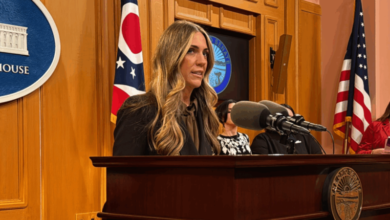
Child safeguarding concerns have emerged following the indictment of two Ohio state employees and two co-conspirators over an alleged $30 million Medicaid fraud scheme involving children’s behavioral health services that were never provided.
Federal officials say the case forms part of a wider crackdown on healthcare and public program fraud. Authorities allege that services were billed for children and young adults attending summer camps, church groups and recreational programmes, even though no therapeutic assessments or treatments took place.
Investigators further claim that recipients were diagnosed with behavioral adjustment disorders without proper testing. They also allege that required assessments were never conducted, despite documentation being submitted to justify Medicaid billing.
From a child protection perspective, the case raises serious safeguarding concerns about the exploitation of vulnerable children within public health systems. Experts warn that falsified health records and non-existent interventions not only divert public funds but also deny children access to essential developmental and psychological support.
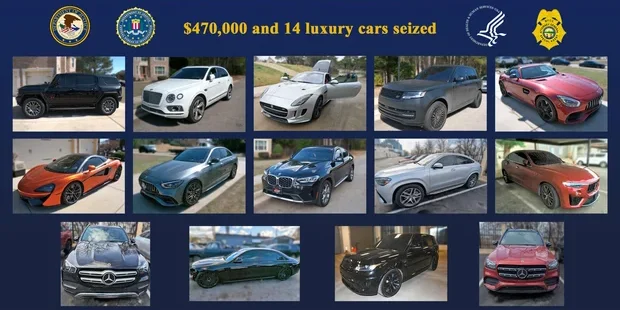
Officials said 14 luxury vehicles, including high-end brands, were seized as part of the investigation. They allege that proceeds from the fraudulent scheme were used for personal enrichment instead of supporting children’s care.
Child rights advocates stress that such cases can undermine trust in systems designed to protect children. They argue that weak oversight in service delivery can expose children to neglect, while also masking unmet mental health and behavioral needs.
Authorities confirmed that all four defendants have turned themselves in and face charges related to healthcare fraud. The investigation remains ongoing, with additional cases of alleged fraud across public assistance programmes also under review.
Officials say strengthening monitoring systems is essential to ensure that children actually receive the care and services funded in their name.