Ohio Expands Safe Sleep Efforts as Nearly 11,000 Cribs Reach Families in 2025
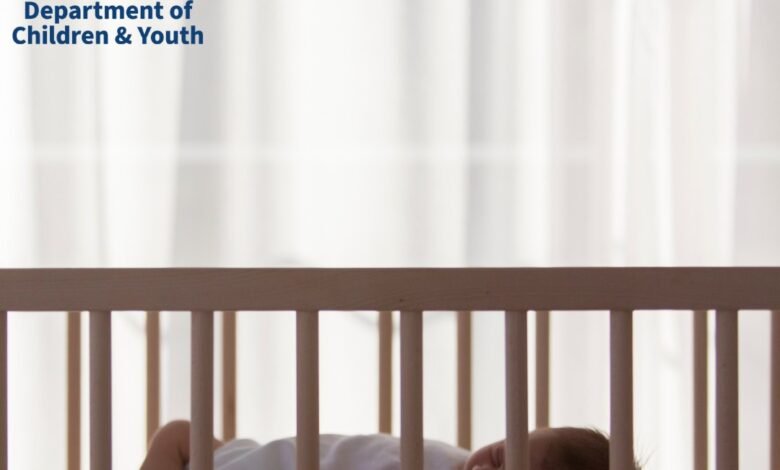
Ohio’s Safe Sleep Program marked a major step forward in 2025 as partner organizations distributed 10,796 cribs to families across the state. The effort reflects a coordinated public health strategy focused on reducing preventable infant deaths, which remain a persistent challenge in many Ohio communities. The program combines financial support, community outreach, and education to place safe sleep spaces in homes that might otherwise go without them.
A Statewide Commitment to Reduce Infant Mortality
Ohio’s infant mortality rate has remained higher than the national average for more than a decade. Unsafe sleep conditions continue to be one of the leading causes of sleep-related infant deaths. Public health officials note that many tragedies involve shared beds, soft bedding, or situations where infants sleep on couches, adult mattresses, or other surfaces that increase the risk of suffocation.
To confront these preventable losses, the state built a partnership that includes the Ohio Department of Children and Youth, members of the Ohio House of Representatives, Cribs for Kids, local health departments, community action agencies, and several hospitals. These organizations work together to identify high-risk families, deliver safe sleep equipment, and provide education on proper infant sleep practices.
What Families Receive
Every family served by the program receives a portable crib and a fitted sheet. Families also receive printed materials and guided instruction that reinforce the ABCs of safe sleep. Babies sleep Alone, on their Back, and in a Crib. Health educators explain how soft toys, pillows, blankets, and adult beds increase the risk of accidental suffocation. The education component is required before a family can receive a crib.
The program focuses on parents and caregivers with limited resources. Eligibility includes households at or below 200 percent of the federal poverty level. Mothers must be at least thirty two weeks pregnant or caring for an infant younger than one year. Non-custodial grandparents and caregivers are included, and families with twins or multiple births can receive multiple cribs. Agencies also review situations where parents live in separate homes to decide whether two cribs are needed.
How the Distribution Network Works
The strength of the initiative comes from its statewide network. Instead of relying on a single distribution point, the program uses local partners that understand the needs of their communities. These organizations identify eligible families, host education sessions, and handle follow-up when additional support is required.
The list of participating agencies reflects Ohio’s geographic and economic diversity.
To illustrate the scope of the network:
- Adams, Brown, and Clermont counties are served by Adams/Brown Counties Economic Opportunities in Georgetown.
- Allen, Auglaize, Hardin, Mercer, Putnam, and Van Wert counties are supported by the Allen County Health Department in Lima.
- Athens, Meigs, and Washington counties receive services through Ohio University’s community outreach program.
- Butler County distributes cribs through its General Health District in Hamilton.
- Clark and Champaign counties coordinate efforts through the Clark County Combined Health District in Springfield.
- Cuyahoga County works through its health department in Parma, which covers one of the state’s most densely populated regions.
- Other counties, including Delaware, Erie, Fairfield, Franklin, Gallia, Lawrence, and Hamilton, operate through their respective public health agencies, each responsible for education, verification, and distribution.
This network ensures that urban centers and rural counties both receive consistent support. It also allows agencies to tailor education and outreach to local needs. Some focus on hospital partnerships. Others rely on community centers, home visiting programs, or faith-based groups that already have contact with families.
Why Safe Sleep Education Matters
Public health workers stress that equipment alone cannot prevent sleep-related deaths. The educational requirement ensures that caregivers understand why safe sleep practices are necessary. For example, bed-sharing is common in homes where space is limited or where parents believe babies sleep more soundly when held. Education sessions offer clear guidance on the risks associated with this practice, along with practical solutions for families with limited space.
The program also reaches grandparents and extended family members, many of whom raised their own children during a period when medical advice on infant sleep was different. Updates on current recommendations help align everyone in the household with the same safe sleep practices.
Impact Across the State
The delivery of nearly eleven thousand cribs in one year means that more than ten thousand Ohio infants now have a designated safe sleep space. Public health officials describe this as both a protective measure and an important shift in how communities understand infant safety. Each crib represents a family that received both the tools and the knowledge needed to reduce common risks.
While the full impact on the infant mortality rate will be measured over time, early indicators suggest that increased access to sleep equipment, paired with consistent education, plays a vital role in prevention.
The Work Ahead
State leaders and partner agencies plan to maintain and expand the program in the coming year. Many counties report waiting lists, while others are requesting additional training opportunities so more staff can deliver education sessions. Discussions continue about strengthening outreach in communities where language barriers or cultural practices make safe sleep education more complex.
Ohio’s ongoing investment signals recognition that infant mortality cannot be reduced through information alone. Families must have the physical resources to create safe environments, especially during the first months of life.
The 2025 distribution marks one of the largest statewide safe sleep efforts to date. It stands as a reminder that coordinated action, steady funding, and community-based partnerships can move the state closer to its goal of ensuring every baby begins life in a safe and healthy environment.