U.S. Declares War on Human Trafficking as New Data Shows Children at Grave Risk — This January Becomes a Rallying Cry for Safety and Protection
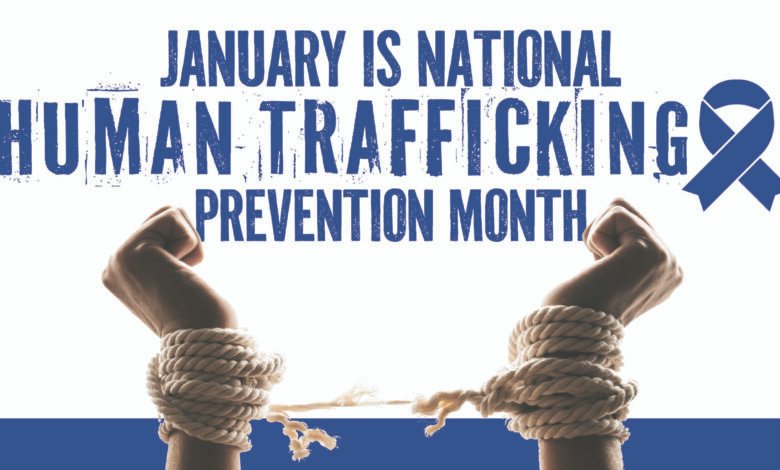
As National Human Trafficking Prevention Month unfolds across the United States, authorities and advocates are issuing an urgent warning: human trafficking remains a hidden but deadly threat, especially for children. With awareness campaigns, community mobilization and coordinated efforts ramping up nationwide, the message is clear: protecting vulnerable children and stopping traffickers must be a collective priority.
January’s designation as National Human Trafficking Prevention Month, a presidentially recognized observance — has once again brought stark attention to the fact that human trafficking is not a distant crime but a real, pervasive attack on human dignity, freedom, and safety. The theme for this year, “Stronger Connections. Stronger Futures.”, emphasizes how everyday relationships and community vigilance can protect vulnerable people — especially children — from exploitation.
Human trafficking is a complex crime that often thrives in silence. It involves the use of force, fraud, or coercion to exploit people for labor, services or commercial sex. Globally, millions are trapped in this modern-day slavery, and children are among those most at risk of exploitation and abuse.
Efforts across federal agencies, community groups and advocacy networks are now in full swing to raise awareness, strengthen prevention and ensure survivors receive support. Public education campaigns, toolkits and events are empowering families, caregivers, teachers and community members to recognize the signs of trafficking and take action.
The National Human Trafficking Hotline stands as a critical resource throughout the month and beyond, offering 24/7 support, information and confidential reporting for anyone who suspects trafficking or needs help. The hotline — reachable at 1-888-373-7888 — bridges the gap between potential victims, witnesses and trained advocates who can take action.
Officials stress that stronger, safer communities play a vital role in preventing trafficking before it takes root — by building trust, checking in on each other, and making sure children are seen, heard, and protected in their schools, neighborhoods and online spaces.
Across the country, law enforcement and social services are working together with non-profits and survivors to shape a coordinated response — one that dismantles trafficking networks while keeping the focus squarely on safeguarding children and vulnerable populations.
As National Human Trafficking Prevention Month continues, advocates emphasize that the fight against exploitation is not confined to January — it is a year-round commitment to awareness, reporting and life-saving intervention, driven by the belief that every child deserves safety, freedom, and a future free from exploitation.