Only 1 in 3 Children in Ohio Ready for Kindergarten, A Wake-Up Call for Their Right to Thrive

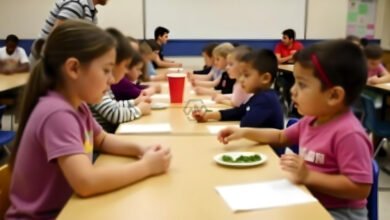
Only 35.4 percent of children entering public school kindergarten in Franklin County, Ohio, are assessed as ready for school, according to the Ohio Kindergarten Readiness Assessment (KRA), reported by the nonprofit Future Ready Five. Similar trends are seen across the state.
While the numbers may appear alarming at first glance, experts stress that they reflect the diverse experiences, challenges, and opportunities that children bring with them before their first day of school, not a failure of the child or the school system.
Allison Riggle, MSW, EdD, project manager for Infant and Child Readiness at Nationwide Children’s Hospital, explains that the KRA measures far more than academic ability. It evaluates physical well-being, motor development, emotional health, social foundations, and approaches to learning, capturing the full spectrum of skills essential for a child’s growth. These elements are central to every child’s right to reach their developmental potential, a principle enshrined in the United Nations Convention on the Rights of the Child.
Why These Statistics Matter
The KRA also highlights disparities in opportunity tied to social determinants of health. Economically disadvantaged children, those with disabilities, and children whose primary language is not English often score lower.
In Franklin County, readiness rates show a stark contrast: 52.5 percent for White children versus 14.6 percent for Hispanic children. These gaps reveal systemic inequities and the urgent need to provide children with the conditions necessary for equitable development.
Understanding these statistics helps parents, educators, and policymakers focus on early interventions. Programs like the Nurse-Family Partnership, SPARK kindergarten preparation, and Reach Out and Read provide targeted support to children and families, nurturing cognitive, social, and emotional development.
By using readiness data as a tool, rather than a judgment, schools can tailor learning environments to support each child’s growth while communities can direct resources to address disparities.
Dr. Riggle emphasizes that readiness scores reflect the culmination of children’s experiences before school and should guide, not define, their future. Ensuring every child has access to supportive environments, early learning opportunities, and attentive care is essential to upholding their right to develop fully and equitably.