Governor DeWine’s Final State of the State and the Ongoing Debate Over Children’s Wellbeing
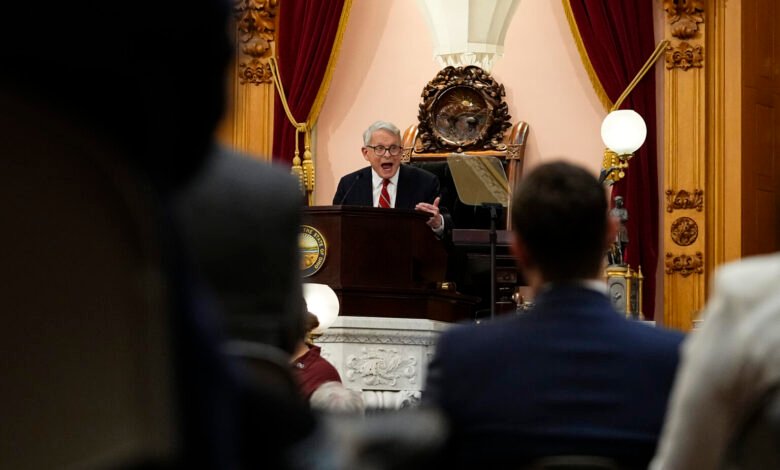
In his final State of the State Address, Mike DeWine, Governor of Ohio, spoke before a joint session of the Ohio General Assembly at the Ohio Statehouse, reflecting on key achievements during his administration while outlining priorities for the future of children, families, and communities across the state.
The address covered a broad range of issues affecting children and young people including literacy, school attendance, student health, digital safety, and road safety. At the same time, the speech sparked discussion among lawmakers, educators, and advocacy groups about important issues they believe deserved greater attention, particularly child care and education funding.
Together, the speech and the reactions that followed highlight an ongoing conversation about how best to strengthen the wellbeing of children and families in Ohio.
Reading as the Foundation of Learning
Governor DeWine emphasized literacy as a central pillar of the state’s education strategy, noting that reading remains the gateway to learning across all subjects. A major component of Ohio’s literacy reforms is the adoption of the Science of Reading, a research-based approach that focuses on phonics, language comprehension, and structured literacy instruction.
State law now requires the Science of Reading to be taught in classrooms across Ohio, from preschool programs through high school. According to the governor, early indicators suggest progress among younger learners. Kindergarten readiness improved to 8.3 percent statewide, representing approximately 7,300 additional children prepared to begin school.
To strengthen implementation, the Ohio Department of Education and Workforce will introduce new regional Science of Reading Instructional Implementation Teams to assist schools. The state also plans to expand its ReadOhio coaching program by adding 50 literacy coaches who will work directly with teachers in classrooms.
These coaches will help schools apply reading science effectively and ensure that literacy instruction aligns with evidence-based practices.
Expanding Early Literacy Through Books
Another initiative highlighted during the address was the continued expansion of the Dolly Parton’s Imagination Library, championed in Ohio by First Lady Fran DeWine. The program provides free books to children from birth through age five, encouraging early literacy and strengthening parent-child engagement with reading.
Today, about 70 percent of Ohio households with children under five participate, giving Ohio the highest number of enrolled children in the United States. Supporters say this early exposure to books can significantly improve language development and school readiness.
Vision Care and Learning
Governor DeWine also emphasized the importance of addressing vision problems that may interfere with learning. Through the newly launched OhioSEE program, the Ohio Department of Health is providing free eyeglasses to children in kindergarten through third grade in 15 counties with the greatest need.
The program reflects growing recognition that children who struggle to see clearly may also struggle to read and participate fully in classroom activities.
Confronting Chronic Absenteeism
Chronic absenteeism was another major concern highlighted during the speech. Recent data show that one in four Ohio students missed the equivalent of nearly one month of school during the past year.
To address this challenge, a new law requires every school district to establish a clear attendance policy by the fall. In addition, the Ohio Department of Education and Workforce will launch a Statewide Attendance Dashboard on April 15. This online platform will provide real-time weekly attendance data for every school and district in the state, giving parents, educators, and communities better insight into attendance trends.
Promoting Healthy Habits Among Students
The governor also discussed initiatives aimed at improving the physical wellbeing of young people. Legislation currently under consideration would double recess time in schools from 30 minutes to 60 minutes per day for students in kindergarten through eighth grade, except on days when physical education classes are held.
DeWine also encouraged lawmakers to make the Team Tressel Fitness Challenge a permanent program in Ohio schools. Developed by Lieutenant Governor Jim Tressel, the initiative promotes healthy habits related to physical activity, nutrition, sleep, and reflection.
Addressing Digital Risks for Young People
The governor also raised concerns about the effects of digital technology on children’s mental health and safety. Ohio recently enacted a ban on cell phones in K–12 classrooms to reduce distractions and improve focus. However, DeWine said additional steps may be necessary to protect young people online.
Among the proposals he urged legislators to consider were laws to:
- Prohibit the creation or distribution of AI-generated child sexual abuse material
- Hold technology companies accountable if artificial intelligence systems encourage self-harm or violence
- Require device manufacturers to enable parental control tools automatically
These proposals reflect growing concerns about how rapidly evolving technology is shaping young people’s lives.
Road Safety and Seatbelt Use
Beyond education and child wellbeing, the governor also highlighted progress in traffic safety. Following the passage of stronger distracted-driving laws, Ohio recorded 18,000 fewer crashes and 280 fewer traffic deaths compared with previous years.
However, while 88 percent of Ohio residents wear seatbelts, the remaining 12 percent account for more than 60 percent of traffic fatalities. To address this gap, DeWine called on lawmakers to adopt a primary seatbelt law, allowing police to stop vehicles when occupants are clearly not wearing seatbelts.
Debate Over Child Care and Education Funding
Despite the governor’s emphasis on literacy and student wellbeing, several lawmakers and advocacy groups expressed concern about what the speech did not address.
One major omission, critics argued, was the issue of child care affordability and access:
- Dani Isaacsohn, Minority Leader in the Ohio House, said many families continue to struggle with the cost and availability of child care.
- Similarly, Nickie Antonio, Minority Leader of the Ohio Senate, pointed to broader economic pressures facing families, including housing and food costs.
- Advocacy organizations such as Policy Matters Ohio and the Care Economy Organizing Project also emphasized that early childhood educators and child care providers play a critical role in children’s development and in supporting the state’s workforce.
Concerns About Education Funding
Education advocates also raised questions about school funding:
- The Ohio Federation of Teachers, led by Melissa Cropper, said some districts are already experiencing the effects of funding changes through larger class sizes and fewer support staff.
- However, Republican legislative leaders including Matt Huffman and Rob McColley argued that the central issue is not funding levels but how school districts allocate their resources.
Infant and Maternal Health
The governor also highlighted improvements in infant mortality rates, noting that Ohio recorded its lowest rate in two decades.
However, challenges remain. According to data from the Centers for Disease Control and Prevention, 909 infants died in Ohio before their first birthday in 2023, representing a mortality rate of 7.2 per 1,000 births. The March of Dimes has also given Ohio a “D” rating for preterm birth rates, and racial disparities remain a major concern, with Black infants facing significantly higher mortality rates.
Conclusion
Governor DeWine’s final State of the State address reflected both achievements and ongoing challenges. From literacy reform and attendance monitoring to digital safety and student health, the initiatives outlined in the speech highlight the state’s continued focus on improving the lives of children.
At the same time, the debates that followed underscore the complexity of ensuring that every child regardless of his or her background has access to the resources, support, and opportunities needed to thrive.