136,900 Ohio Children Without Health Insurance as Coverage Rate Hits Decade High
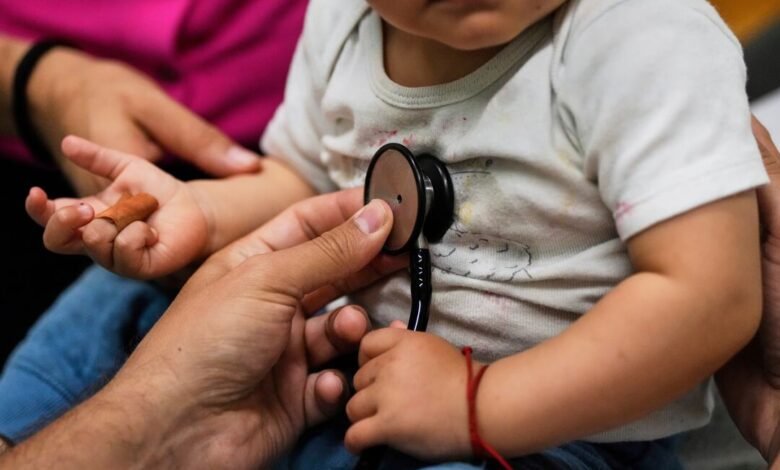
More than 136,000 children in Ohio were without health insurance in 2024, raising concerns about their access to medical care as new federal Medicaid restrictions approach.
Figures from the U.S. Census Bureau, highlighted by the Health Policy Institute of Ohio (HPIO), show that 136,900 children lacked coverage, representing 5.2% of the state’s child population. This is the highest uninsured rate recorded in a decade.
The number is close to the 137,200 children who were uninsured in 2014, when Ohio expanded Medicaid under the Affordable Care Act.
Although children from low-income households already qualified for Medicaid before the expansion, extending coverage to parents helped more families enrol their eligible children. Researchers describe this as the “welcome mat” effect.
Being uninsured can make it harder for children to receive routine check-ups, vaccinations and timely treatment when they fall ill. National research also shows that uninsured children are less likely to have a regular source of healthcare.
The latest figures have emerged as Ohio prepares for federal policy changes under HR1, including Medicaid work requirements and more frequent eligibility checks.
While these measures do not directly target children’s eligibility, the HPIO warns that parents losing insurance could leave their children at greater risk of becoming uninsured, particularly those in low-income households.
The expiry of enhanced Affordable Care Act marketplace subsidies in 2025 has also increased concerns about families’ ability to afford coverage.
The findings underline the importance of keeping eligible children enrolled in health insurance programmes and helping families navigate changing coverage rules.