Measles Case Confirmed in Northeast Ohio as Health Officials Urge Vigilance
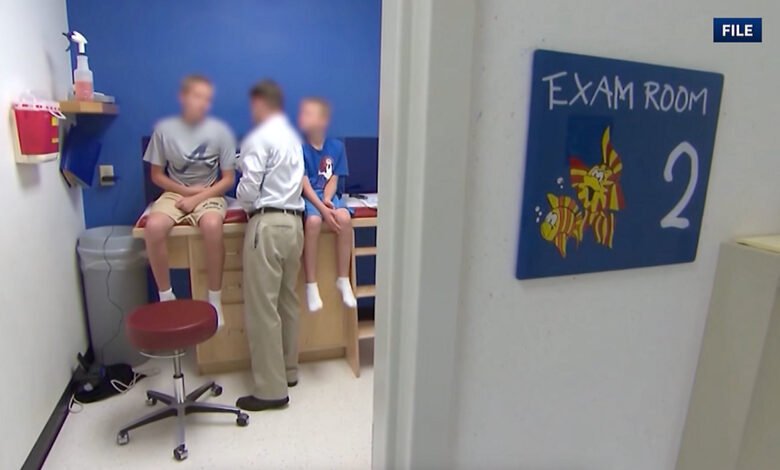
Ohio has reported its first confirmed case of measles in 2026, with health officials confirming infections in unvaccinated children in Cuyahoga County.
County officials confirmed one case of measles and identified two additional presumed cases. All three patients are siblings who live in the same household and are currently isolating. Health authorities said the cases are not located within the city of Cleveland.
Dr. David Margolius, director of public health for the city of Cleveland, said the local cases come amid a nationwide resurgence of the disease.
“There’s been an outbreak across the country that’s been the biggest in decades,” Margolius said.
Measles is among the most contagious viral diseases known. Medical experts say it can spread easily through coughing and breathing, particularly among unvaccinated individuals.
Dr. Amy Edwards, an assistant professor of pediatrics at Case Western Reserve University, said the disease can have serious and sometimes fatal consequences. According to Edwards, about one in 1,000 people who contract measles will die.
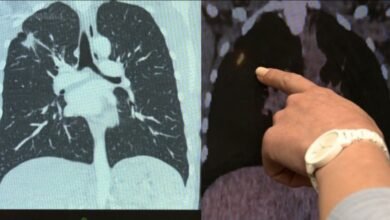
Common complications include pneumonia and ear infections, particularly in young children. Edwards noted that approximately 20 percent of children under the age of five who get measles require hospitalization.
Beyond immediate illness, doctors warn that measles can have long-term effects that emerge years later. In rare cases, the virus can cause inflammation of the brain, known as encephalitis, which may result in permanent hearing loss, vision loss, or other neurological damage.
“A child can recover from measles and then seven to ten years later develop encephalitis, which can be deadly,” Edwards said.
She added that measles infection can weaken the immune system for years after recovery, increasing vulnerability to other serious infections.
“People who’ve had measles are at an increased risk of dying from another infection for about three to five years after their measles infection,” Edwards said.
Health officials continue to stress the importance of vaccination. According to the Centers for Disease Control and Prevention, individuals are considered protected from measles within two to three weeks after receiving the vaccine.
Public health authorities say they are monitoring the situation closely and are working to prevent further spread through isolation, contact tracing, and public awareness efforts.