
A FATHER’S LAST WORDS FROM THE EXECUTION CHAMBER: “TEACH HIM WHAT TRUE MANHOOD LOOKS LIKE”
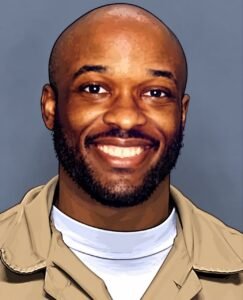
On September 23, 2026, the State of Texas executed Ker’Sean Olajuwa Ramey, 41, after almost twenty years on death row.
He had been convicted of killing three people during a 2005 robbery in Edna, Texas: Celso Lopez, Tiffani Peacock and Sam Roberts.
Their names belong in this reflection.
Their lives matter.
Nothing about contemplating the humanity of the man who was executed should erase the humanity of those whose deaths brought him to the execution chamber.
I am not writing to retry Ramey.
I am writing as a father who read the last words of another father.
And then looked at my four-year-old son.
Ramey spoke about his faith in Jesus Christ.
He spoke about the man he believed he had become during his years in prison.
He apologised to his children for “not being there.”
Then came the words that arrested me.
He said he entered death row young and “didn’t understand what manhood was.”
He thanked the men there who, he said, had poured into him and taught him what it meant to be a man.
Then he entrusted his son to them.
Guide him.
Teach him “what true manhood looks like.”
Not, as he put it, “street culture.”
I stopped there.
Because my son is four.
And I am still here.
I do not have to leave instructions about his manhood from an execution chamber.
I can live those instructions before him today.
Our Sons Are Being Formed
The question is not whether our sons will be formed.
The question is:
Who or what will form them?
Their fathers?
Their mothers?
Responsible adults?
Friends?
The street?
The internet?
Popular culture?
Something will teach our sons what manhood means.
And when responsible adults leave a vacuum in a child’s formation, something or somebody will occupy it.
But something else in Ramey’s final statement struck me.
He spoke about his mother.
He spoke about his children.
He spoke repeatedly about his son.
He spoke about friends and the men on death row who, he said, taught him manhood.
But he did not speak about his father.
Why?
I do not know.
And I will not speculate.
But as a father, I cannot fail to notice the silence—particularly beside his admission that he entered prison young without understanding manhood.
And it leaves me with an uncomfortable question:
When my son someday tells the story of the men who taught him what manhood means, will his father be conspicuously missing from that story?
That question comes very close to home.
My son is four.
I am 56.
I am still here.
So before the street teaches him manhood, I must live it before him.
Before the internet defines it for him, I must show him.
Not merely by what I tell him.
By the man he sees me being.
And then there is another question.
Am I the kind of man another father could trust with his son?
Ramey, knowing he could no longer continue the work himself, entrusted his son to other men.
I cannot father every boy.
But whose son might need me to be one of the good men?
Can another man’s son encounter me and learn something about dignity, responsibility, self-control, courage, kindness, faith and respect?
Perhaps that is what I carry away from the last words of a father in an execution chamber:
Teach your son what true manhood looks like while you are still here.
And become the kind of man another father could trust with his son.
#50PlusDad
