Family Finance: Understanding Markets and Economic Systems
Episode 23: Your Money in the World
By Dr. Mayowa Olusoji, The Money Smart Coach
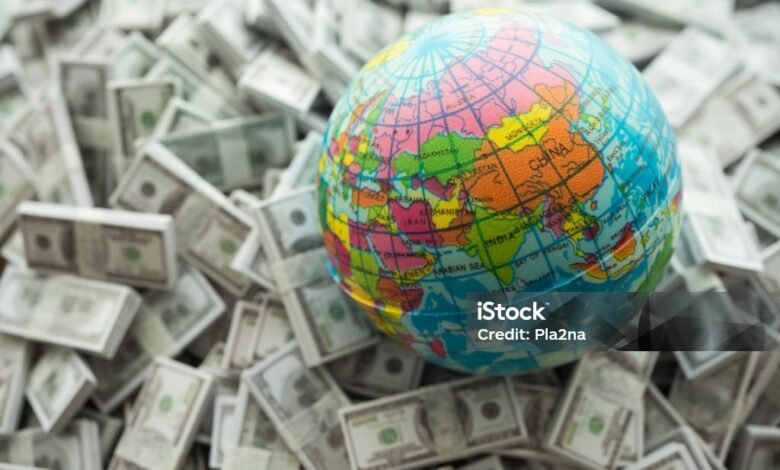
Your child has learned to earn, save, invest, and protect their money. But there’s one thing they haven’t grasped: when money goes into a savings account or investment, it doesn’t just sit there. It goes to work in the world.
When your child puts £100 into a savings account, the bank doesn’t lock it in a vault. It lends that £100 to someone else, a family buying a house, a business opening a shop. That money is actively generating economic activity, and the bank pays interest because it profits from its use.
This is the market: the great circulation of capital, flowing from those who have it to those who need it, creating value at every step. Most people never think about this. They see savings as a safe place to park money. It is, but it’s also an economic participant. Your child’s money is literally building someone else’s house or funding someone else’s business.
Now multiply this. Imagine that £100 becomes £5,000 by age thirty through compound interest. That £5,000 isn’t passive; it’s a loan to hundreds of people and businesses. Your child becomes a creditor to the entire economy, and the economy pays them for the privilege.
This is personal, not abstract. Choosing to save instead of spend means funding long-term investment over short-term consumption. Choosing to invest in a company means supporting its mission. Choosing where to put money is choosing how the world develops. This is why generosity and investment aren’t opposites; they’re the same impulse applied differently, both recognising that money is a tool for shaping the world.
Your child is not separate from the economy. They’re part of it. Every purchase affects someone’s business. Every investment affects what gets built. This is power, and power comes with responsibility.
This week’s challenge: The Money Trail
Have your child pick one recent purchase and trace it. Where did the item come from? Who made it? Where did the money go? Follow it as far as you can: what businesses benefited, what people were employed? This isn’t punishment for spending. It’s understanding the connective tissue of the economy.
Dinner table question this week:
“If you knew your money was going to help build something, would you care more about where you put it? What kind of world would you want your money to build?”
You are not just building wealth. You are building the world your wealth exists in. Choose wisely.
See you next week.
Dr. Mayowa Olusoji
The Money Smart Coach