Ohio Mom Uses 3D Printing to Transform Lives of Children With Disabilities
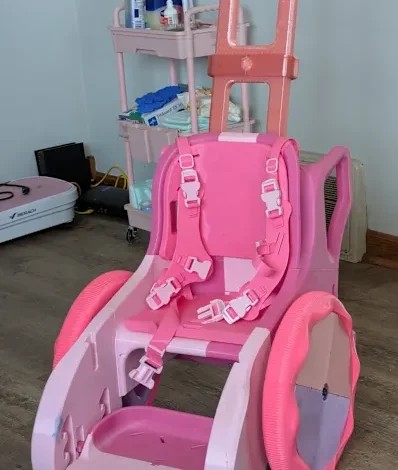
An Ohio mother is gaining attention for helping children with disabilities through free 3D-printed mobility chairs. Her effort is also highlighting the importance of child protection, inclusion, and access to supportive care for vulnerable children.
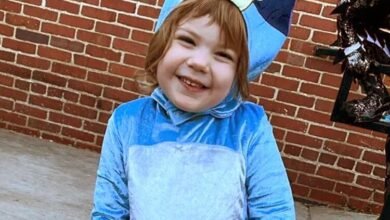
Brittany Neal, a foster and adoptive mother from North Canton, started “Stormi’s Mobility Project” after seeing how a mobility trainer changed her daughter’s life. Her daughter, Stormi, lives with Bainbridge-Ropers Syndrome, a rare genetic condition.
Stormi is nonverbal and also has autism. Although she already had a wheelchair, the 3D-printed mobility trainer gave her more freedom to move safely around her home.
According to child safeguarding advocates, mobility support plays a major role in the healthy development of children with disabilities. Proper equipment can improve independence, emotional wellbeing, and social participation.
Neal explained that many families cannot afford specialised mobility devices. Others face long delays through insurance and Medicaid systems. To address this problem, she began creating low-cost mobility chairs using 3D printing technology.
Each chair costs about $200 to produce and takes nearly a month to complete. Neal does not charge the families who receive them.
Child welfare experts say children in foster care and those living with disabilities often face extra challenges when trying to access healthcare and developmental support. Many families struggle to get the equipment children need for safe movement and daily activities.
Through community donations and local partnerships, Neal has already built several chairs for children in need. She also works with Stark County’s Help Me Grow programme to connect families with additional support services.
Advocates believe projects like this show how communities can protect vulnerable children through practical support and inclusive care. They stress that safeguarding children with disabilities goes beyond preventing harm. It also means ensuring access to tools that promote dignity, growth, and independence.
Supporters of the project continue to praise Neal’s work. Many describe it as a powerful example of how compassion and innovation can improve the lives of children facing physical and developmental challenges.