Pediatric Hospital Puts Children’s Right to Development First With Early Literacy Checks
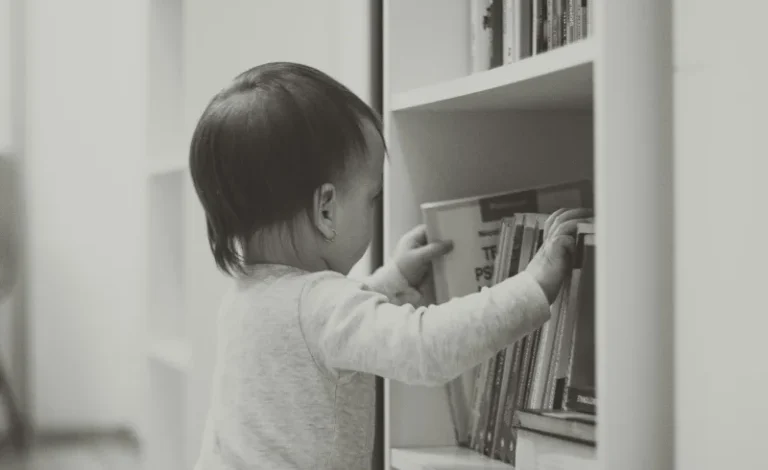
Recognizing that literacy is a critical foundation for lifelong learning, Nationwide Children’s Hospital in Columbus, Ohio, has begun screening children’s reading skills starting at age 3 during routine pediatric visits.
The initiative reflects a growing focus on children’s right to development, aiming to identify learning challenges early and provide families with tools to support their children before they enter kindergarten.
Early literacy is a major concern across Ohio. During the 2024–2025 school year, more than 63% of Columbus City School kindergarteners lagged behind in language and literacy skills, and state data show that children who start behind often remain behind through fifth grade.
Nationally, just over 30% of fourth graders are considered proficient readers, with proficiency declining in recent years. By screening children in medical settings, the hospital is bridging gaps in traditional education systems and ensuring that children from high-needs populations, including those on Medicaid or uninsured, receive support for critical developmental milestones.
The program, launched in 2022, now operates in about half of the hospital’s 13 clinics. Coordinators conduct brief assessments in English or Spanish, observing children as they read aloud and identifying areas for improvement.
Each child leaves with a personalized literacy plan and a kit of resources, such as books, writing tools, and activities to develop language and motor skills. Coordinators also provide guidance for parents on ways to reinforce learning at home and connect families with programs like Head Start or SPARK for additional support.
By integrating literacy into pediatric care, Nationwide Children’s Hospital emphasizes that supporting children’s developmental rights requires early intervention and active engagement from both caregivers and professionals. Families like Juri Sleet’s have already seen measurable progress, highlighting the potential for such programs to ensure children enter school ready to learn and thrive.
This approach underscores that every child deserves access to resources that nurture learning and growth, aligning with broader principles of child development and wellbeing.


